How venture capital experience helps me make product decisions
The experience as Product Manager has been such an interesting discovery. I never analyse a product without thinking as a venture capitalist. I often look at the growing stages of the company, instead of focusing only on its product functionalities or interfaces.
Before joining Monashees Capital, I worked at Tricae - a Rocket Internet company - with Business Intelligence, and in a second moment with performance marketing. This was my very first time dealing with technology and in a startup as well. The opportunity at Monashees came one year later, not in the investment team, but to create a whole new concept in the Brazilian venture capital field: a community among portfolio companies, commonly known as Platform in Silicon Valley.
It was nearly two years working for a Venture Capital firm and I confess that it was a unique experience through which I found out what it was like from the investor’s perspective. And the most meaningful lessons I learned were from the different experiences shared by entrepreneurs and company leaders. Being in touch with those people’s passion and ambition day to day made me reflect upon my career, and desire to go back to the startup life.
I have been working as Product Manager at Resultados Digitais for one year, and now I’m in charge of the Email Marketing vertical, which is one of the core verticals of the company’s marketing automation platform, the RD Station. And now I’m feeling ready to share some important learnings I’ve got so far.
How the entrepreneurs’ community has helped me
At Monashees, my role was to create a feeling of community amongst portfolio companies, fostering the exchange of knowledge and experience. I structured this community into verticals defined according to the company’s areas of activity, such as technology, product, marketing, finance, people, etc.
The main triggers for this community were the events that were held in those different functional areas, so I had the opportunity to get to know exceptional leaders, with the most various profiles and unique experiences. That was some priceless wisdom no school in the world could provide.
I’ve been in touch with more than 30 different business models, in a very diversified range of maturity, which has provided me with the big picture of the companies’ dynamics.
Thus I developed the ability to act in different contexts and nowadays it helps me a lot in my role at Resultados Digitais, once the Product Manager is on the front line of the product decisions, dealing with different areas, and has to be prepared to interact anytime in order to answer the clients and team members’ product issues and expectations.
It is not only a matter of defining roadmap functionalities
Studying different business models and analysing startups in different contexts in order to assess their team, product and actual market potential was part of the daily routine at the investment fund. My role, in particular, was to look at a portfolio and set a strategy to promote knowledge exchange between entrepreneurs. There were times when I needed to analyse the market, bring that knowledge into the portfolio and, on many occasions, benchmark it against some company from Silicon Valley. How Slack’s product development processes take place, how Facebook scales up technology teams, or how Twitter’s data analytics works are some examples of those benchmarks.
This market research practice is essential for the Product Manager, since I often have to check the best practices of the marketing automation platforms and email marketing tools.
But my analysis goes beyond checking which functionalities a certain competitor has or lacks. I analyse the player’s entire context in the American market as well as their positioning in Brazil, which is fundamental to building a product roadmap, for it is not about making a list of functionalities that would be great to implement, but rather understanding where your business stands: how to scale up product acquisition and retention, how to deliver more value to your customers and, of course, how the differentials you are building on your platform are going to help you close more deals.
What is the company’s stage of development?
Let’s analyse the Slack case. The idea here is to illustrate the mindset during the benchmarking process, in which it is important to take into consideration how much has been invested in the company, as well as its growth stage and the available resources that will definitely reflect in the product development.
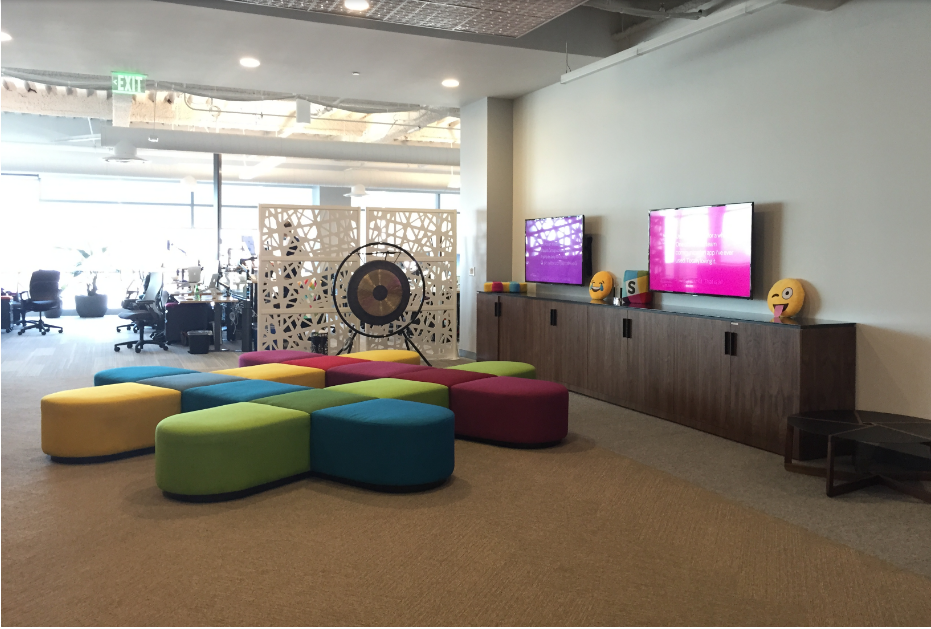 * Slack Office at San Francisco
Slack, the Fastest Growing B2B SaaS Business, grew from 15,000 to 500,000 daily active users in February 2015 over a period of one year. What few people know is that the team started operations in 2009 with a game company called Glitch, pivoting the business model in 2012. According to the CrunchBase, Slack has raised nearly $540M in 9 rounds of investment. Okay, but what does it all mean?
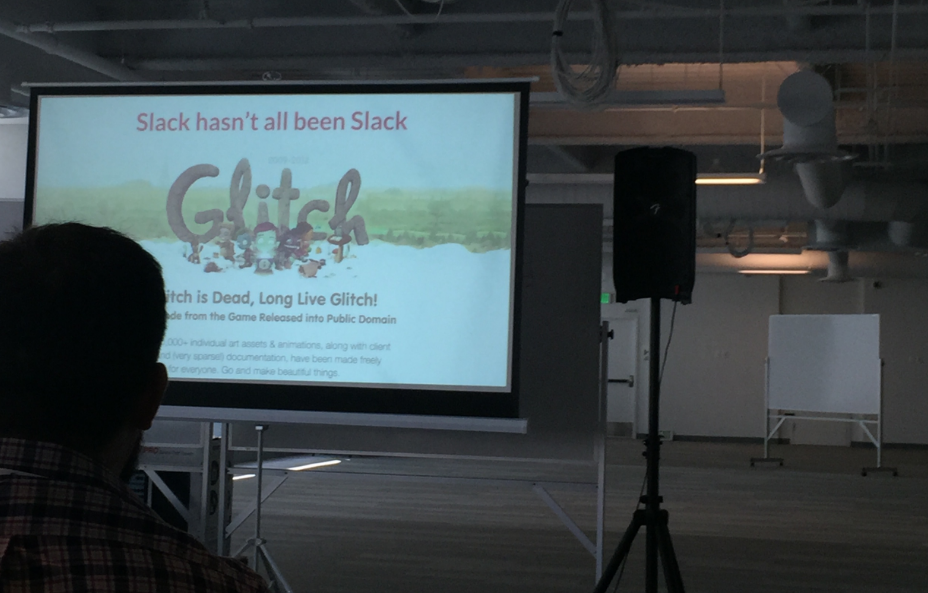 * Product Event at Slack in San Francisco
Well, we can infer a few things regarding the last round of investments raised and the company’s development stage:
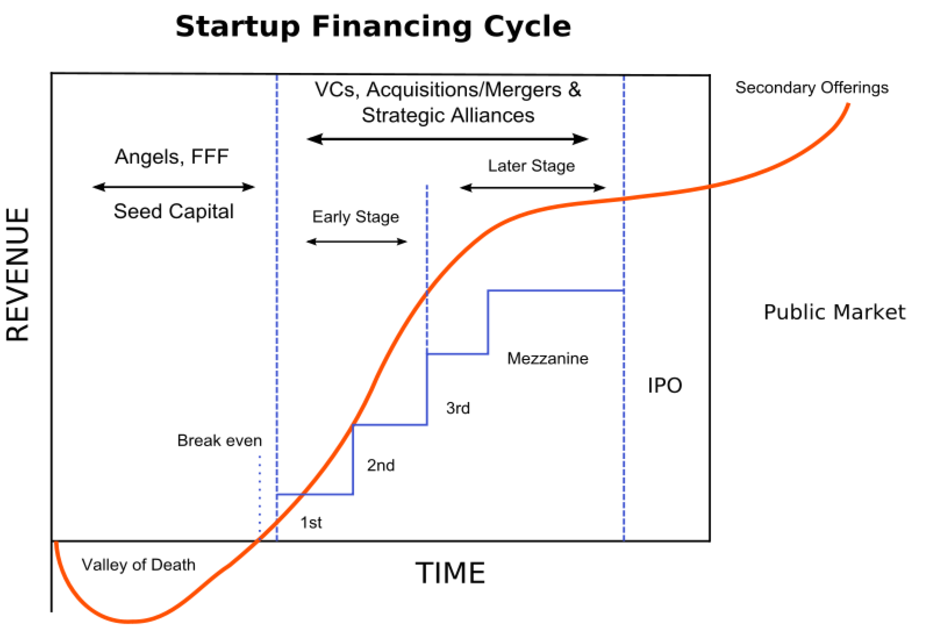 *
* Seed Capital: it is when the business is just a thought or an idea.
Venture Capital: the business exists legally. In this scenario we can also drill down into multiple stages, according to the round of investment.
Series A: it is the moment to hit the product market fit, gaining traction and increasing companie’s customer base. Series B: it is time to take the company to the next level. Series B is very similar to series A in terms of processes.It is a new round of investments and can be raised for the same type of VC firms of Series A. Series C, D: it is time to scale the company, fast and wide. The most common funds in these stages are hedge funds, investment banks and private equity firms. Public/Exit: the company is already more consolidated and preparing for an exit scenario, that is, an initial public offering or IPO.
Slack has received considerable contributions that leveraged the company, providing it with a phenomenal growth of its user base in quite a short time. Thus, we can infer that the company has got the resources to hire key people to develop the business and to invest both in technology and in an expansion plan to enter other markets.
So this is the mindset that drives my day to day routine as a Product Manager:
During a benchmarking process, I analyse the company in different spectrums, and try to figure out divergent scenarios where I can have business, technology and the investor’s perspective at the same time.
Being a concierge
I bring here the strongest value I acquired at Monashees: being the entrepreneurs’ concierge. My role was to help them succeed, taking away any impediment that was stopping the growth and scalability of the business. And in my case as Platform Manager, bring knowledge and foster experience exchange amongst the community.
At Resultados Digitais, despite being in a different context, this is in essence one of the values I most care about: how can I define the product vision so that I can help my clients succeed?
It is a daily empathy exercise: I speak to the clients weekly to understand their challenges, I interact every day with people from different departments in RD, participate in events in which I have contact with potential clients and, in this way, I can gain more and more traction and sensitivity to build and develop the product.
Different experiences matter
Today I understand that there are no strict rules for developing and guiding the product, but there are some common points in the career path of a Product Manager. Many of the good profiles I have known had very rich professional and personal backgrounds, as well as various experiences across different market segments.
One day I heard from a well experienced Silicon Valley Product Manager that “a great profile for a Product Manager is a failed entrepreneur” - and it makes perfect sense, since an entrepreneur has the perspective of the company’s operation, process and strategy that no school can provide.
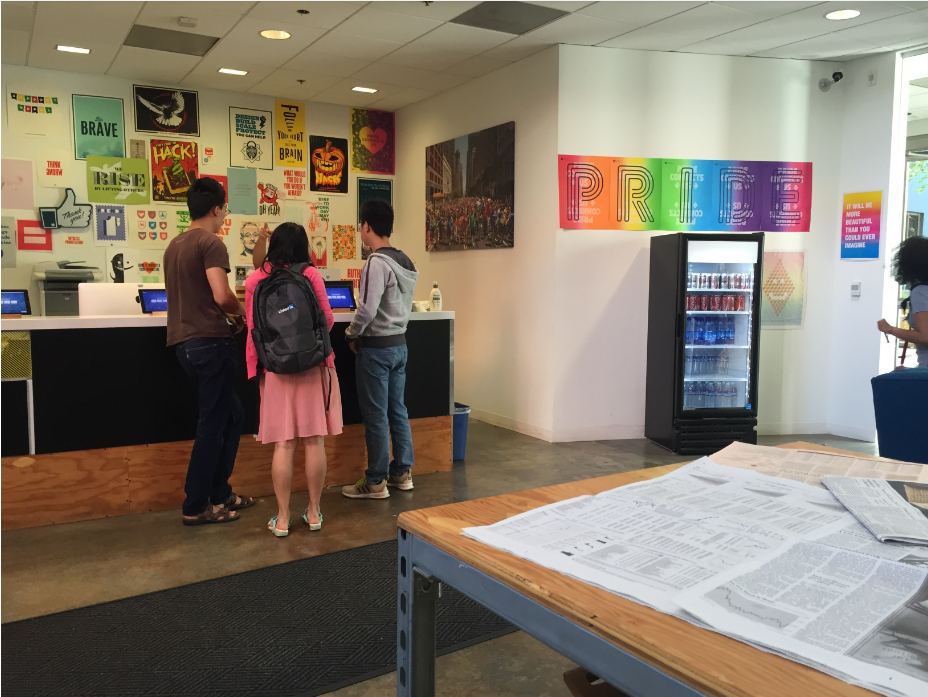 Facebook HQ at Menlo Park
The lessons from my Venture Capital experience have taught me how to take a wider view of the market and the Saas business, which provided me with a great sensitivity when analyzing a product: how the company reached that level, what business decisions guided its positioning and to which market that solution is addressed.
If anyone is considering the career of Product Management, my advice would be for them to get involved in diverse experiences where you can make a lot of mistakes. To fail is part of your personal and professional development. And most importantly, look for opportunities that bring you different views of business, technology and user experience to prepare yourself for this amazing challenge of being a Product Manager.
Are you a Product Manager? What lessons do you want to share as well?